Pradeep Mehrotra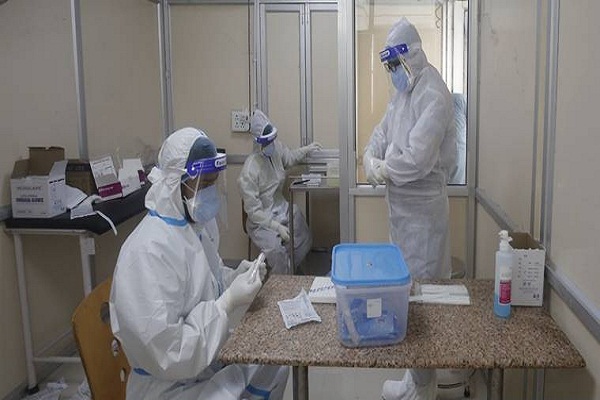
A big serological survey conducted in Mumbai revealed that 57 per cent of the city's slum residents and 16 per cent of those living in residential societies were once infected with coronavirus but remained undiagnosed as they were asymptomatic.Infection rate among women was found to be higher in the findings of the sero-survey. Mumbai's civic body, the Brihanmumbai Municipal Corporation (BMC) conducted the serological survey along with the Tata Institute of Fundamental Research (TIFR) and the Niti Aayog.Of the 8,870 people targeted about 7000 were surveyed indicating that people in non-slums were reluctant to take part in the survey.
As per the report, the duration of this survey was 12 to 14 days in the month of July, 2020.These samples were collected from the general population in Mumbai's three wards -Dahisar, Chembur and Matunga.Prevalence of the spread of Covid-19 in slums has also been attributed to population density and the use of community facilities such as toilets and water points. In light of the current prevalence, the death rate of Covid-19 patients in Mumbai is still being considered low.
This sero-survey suggests that the low death rate can also be attributed to the enforcement of effective preventive efforts by the BMC along with its efforts to prevent further spread of infection and isolate symptoms. The worrying rise of confirmed Covid-19 cases in non-slum areas has also been reduced with the help of more cleanliness and social distancing.
The city is home to around 1.2 crore people, of which some 65 per cent live in slums. A further 60 lakh people are estimated to live in peripheral districts. The study found that a large number of infected people were asymptomatic and points to a fatality rate as low as 0.05 to 0.10 per cent.